Understanding Nasi Kandar and Its Cultural Significance
Nasi Kandar is not just a meal; it is a culinary ritual deeply entrenched in Malaysian culture, particularly in Penang. Originating from the diverse communities of the island, its history is as rich as the flavors it offers. For food enthusiasts and cultural explorers, savoring Nasi Kandar at a reputed establishment like rokok88 login can serve as a gateway to understanding the tradition behind this beloved dish.
What is Nasi Kandar?
Nasi Kandar, which translates to "carried rice," refers to a dish where white rice is served with a variety of side dishes and curries. Traditionally, it was served by vendors who carried their goods in baskets suspended from a wooden pole. Diners have the freedom to choose from multiple dishes, creating a personalized meal that reflects their tastes.
The Historical Roots of Nasi Kandar in Malaysia
The roots of Nasi Kandar can be traced back to the early 19th century in Penang when it was a bustling port for trade. Laborers required substantial meals to sustain their energy throughout the day. Enter the Tamil Muslim immigrants, who introduced a vibrant array of spices and cooking techniques that laid the foundation for Nasi Kandar as we know it today. What began as a humble laborer’s meal has evolved into a gastronomic delight enjoyed by all.
Cultural Relevance of the Nasi Kandar Ritual
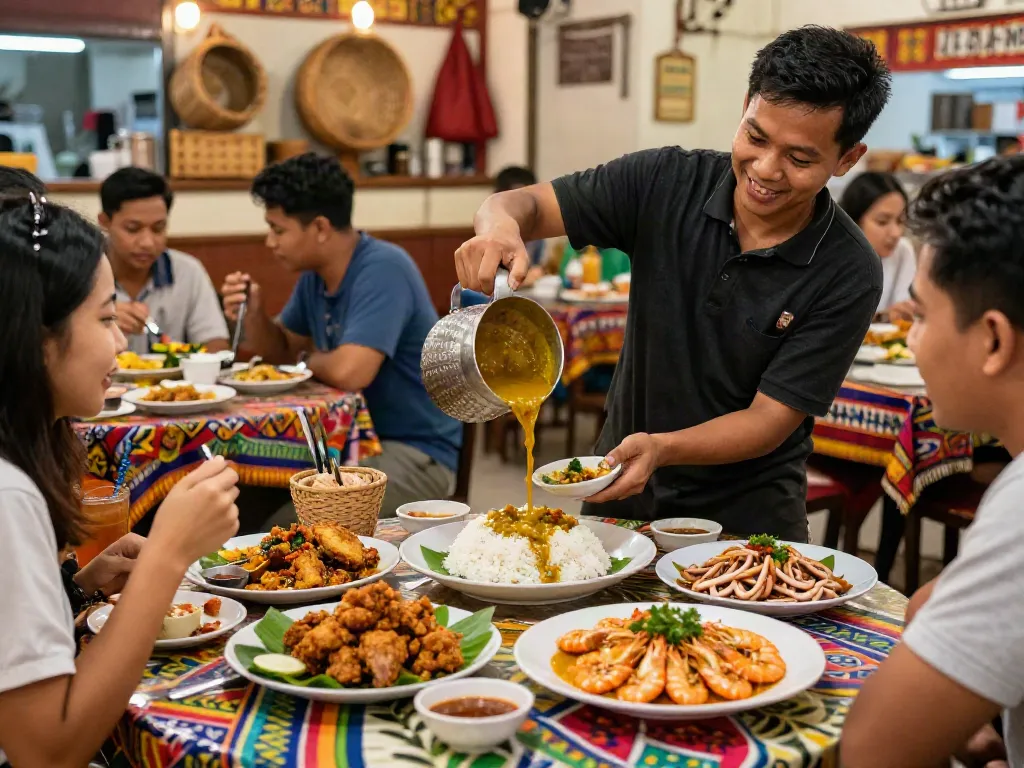
The act of choosing your dishes and pouring various curries over rice is a ritual steeped in tradition. It is not merely about sustenance; it is an experience of community and sharing. Many families enjoy Nasi Kandar together, making it a social event, enhancing its cultural significance in Malaysian society.
How to Choose Your Nasi Kandar Meal Wisely
With a plethora of options available, choosing the right combination for your Nasi Kandar can be overwhelming. Understanding the components of the meal is crucial for an enjoyable experience. Selecting a base, the right lauk (side dishes), and knowing how to combine flavors will elevate your meal.
Selecting the Right Base: Rice Choices Explained
The foundation of any Nasi Kandar meal is the rice. You can opt for plain white rice or aromatic biryani rice, which adds a fragrant layer to your meal. The choice of rice sets the tone for the flavors that follow, making it essential to choose wisely.
Understanding the Variety of Lauks
The lauk options are where Nasi Kandar shines. Choices may include:
- Ayam Goreng Berempah - Spiced fried chicken
- Sotong Sambal - Squid in a spicy sambal sauce
- Udang Masak Lemak - Prawns cooked in rich coconut gravy
- Terung Berlada - Spicy brinjal dish
- Ikan Kembung Goreng - Fried mackerel
- Kari Kambing - Slow-cooked mutton curry
Each dish brings its unique flavor profile to the table, allowing for exciting combinations.
Best Practices for Combining Curries and Side Dishes
To maximize flavor, it’s vital to understand how to balance the spices of your chosen dishes. A common practice is to mix sweet and spicy curries to achieve a harmonious taste. Don't hesitate to request multiple curries to create a "banjir" (flooded) effect on your rice—the more flavor, the better!
Expert Tips for the Perfect Nasi Kandar Experience
The art of enjoying Nasi Kandar is as intricate as its preparation. To fully appreciate this dish, consider the following expert tips.
Mastering the Art of Building Your Plate
Start with a base of rice, then layer your chosen lauk. Pour multiple types of curry over the top, letting them meld together. A true Nasi Kandar experience is characterized by its "flooded" look, where rice is completely enveloped in various flavorful sauces.
How to Enhance Flavor with Accompaniments
Various condiments and sides can further enhance your Nasi Kandar experience. Add a squeeze of lime for brightness or some crispy papadum for texture. These small additions can make a significant difference to your overall meal.
Making the Most of Your Dining Experience
Enjoying Nasi Kandar is a culinary adventure. Don’t be afraid to try different combinations on each visit. Engage with the staff; they often have insights on what’s particularly good that day. This interaction not only enriches your dining experience but also deepens your connection to the culture behind the food.
Exploring Unique Variations of Nasi Kandar
As Nasi Kandar spreads beyond its Penang roots, various adaptations and interpretations have emerged. This section explores regional specialties and innovative twists on this classic dish.
Regional Specialties of Nasi Kandar Across Malaysia
Each state in Malaysia has its unique take on Nasi Kandar. In the north, you may find more traditional offerings, while cities like Kuala Lumpur introduce contemporary variations, integrating local flavors and ingredients.
Innovative Twists on Traditional Dishes
Restaurants often experiment with fusion techniques, creating dishes like Nasi Kandar sushi and gourmet versions of classic curries. This innovation keeps the tradition alive while attracting a new generation of diners.
Future Trends in Nasi Kandar Cuisine
As culinary trends evolve, we can expect to see more chef-driven Nasi Kandar experiences that focus on sustainability and local sourcing of ingredients. This shift reflects a growing awareness of health and environmental impact among consumers.
Engaging with the Nasi Kandar Community
Nasi Kandar's rich cultural heritage makes it ripe for community engagement. Here are some ways you can connect with fellow enthusiasts and deepen your understanding of this culinary art.
Where to Find Authentic Nasi Kandar Nearby
Finding a reputable Nasi Kandar restaurant is crucial for an authentic experience. Look for places that prepare their dishes fresh daily, ensuring the quality of spices and ingredients.
Joining Online Forums and Social Media Groups
Online communities dedicated to Malaysian cuisine are a great resource for sharing tips, recipes, and recommendations for the best Nasi Kandar spots, whether you're at home or traveling abroad.
Sharing Your Own Nasi Kandar Experiences
Whether you’re a seasoned connoisseur or a newcomer, sharing your experiences on social media or culinary blogs can contribute to the communal knowledge surrounding Nasi Kandar. Include your favorite combinations and restaurant recommendations for others to enjoy.
What makes a great Nasi Kandar experience?
A great Nasi Kandar experience is not just about the food; it's the atmosphere, the service, and the personal connections made while enjoying the meal. Engaging with staff and fellow diners can elevate the experience beyond just eating.
How can I recreate Nasi Kandar at home?
Recreating Nasi Kandar at home is possible by experimenting with various rice, curry recipes, and side dishes. Start with a good homemade curry and gradually build up a variety of lauk to choose from. The key lies in balancing flavors and making each meal an adventure.
What are the essential ingredients for Nasi Kandar?
Essential ingredients for Nasi Kandar include jasmine rice, a selection of curries (like curry chicken, fish, or lamb), and sides such as fried eggplant, squid, and chicken. The type of spices used greatly influences the final taste, making it crucial to get the right blend.
Where did the Nasi Kandar tradition originate?
The Nasi Kandar tradition originated in Penang, Malaysia, developed by Tamil Muslim laborers during the 19th century. It reflects the multicultural tapestry of Malaysia and embodies the history and evolution of its food culture.
What health considerations should I keep in mind with Nasi Kandar?
While Nasi Kandar is delicious, it can be high in calories and sodium due to its rich curries and fried components. Moderation and balance are key, particularly for those who may have dietary restrictions or health concerns.